
Discovering the Cultural Heritage, Culinary Traditions, Tourism, and Local Products of South Kalimantan
Banjar: A Cultural Heritage of Kalimantan Worth Sharing with the World
On the island of Kalimantan, there is a community with a long history, rich culture, and a strong identity that continues to thrive today. This community is the Banjar people, one of the largest ethnic groups in South Kalimantan, who have played an important role in the development of trade, culture, and social life throughout the Indonesian archipelago for centuries.
The Banjar people are known for embracing modern developments while preserving their traditional roots. Values such as togetherness, spirituality, hard work, and entrepreneurship have long been an integral part of Banjar society. These characteristics have shaped many aspects of life, including culture, cuisine, arts, crafts, and local products throughout South Kalimantan.
Despite this remarkable diversity, many elements of Banjar cultural heritage remain relatively unknown to the international community. Yet, numerous aspects of Banjar culture possess historical significance, uniqueness, and appeal that can stand alongside cultural destinations from around the world.
Banjar Media: A Digital Bridge Connecting Banjar to the World
Banjar Media is a digital platform dedicated to promoting Banjar culture, tourism, cuisine, and local products to a broader audience, both in Indonesia and internationally.
Through articles, news, business profiles, product promotions, and various informative content, Banjar Media strives to serve as a bridge connecting local potential with global opportunities. We believe that every region has valuable stories to tell, and every local creation deserves the opportunity to be recognized worldwide.
Guided by the spirit of "Banjar Goes Global," we aim to introduce the richness of South Kalimantan to today's generation and to international audiences who wish to gain a deeper understanding of Banjar culture and society.
The Rich Cultural Heritage of Banjar That Continues to Thrive in Modern Times
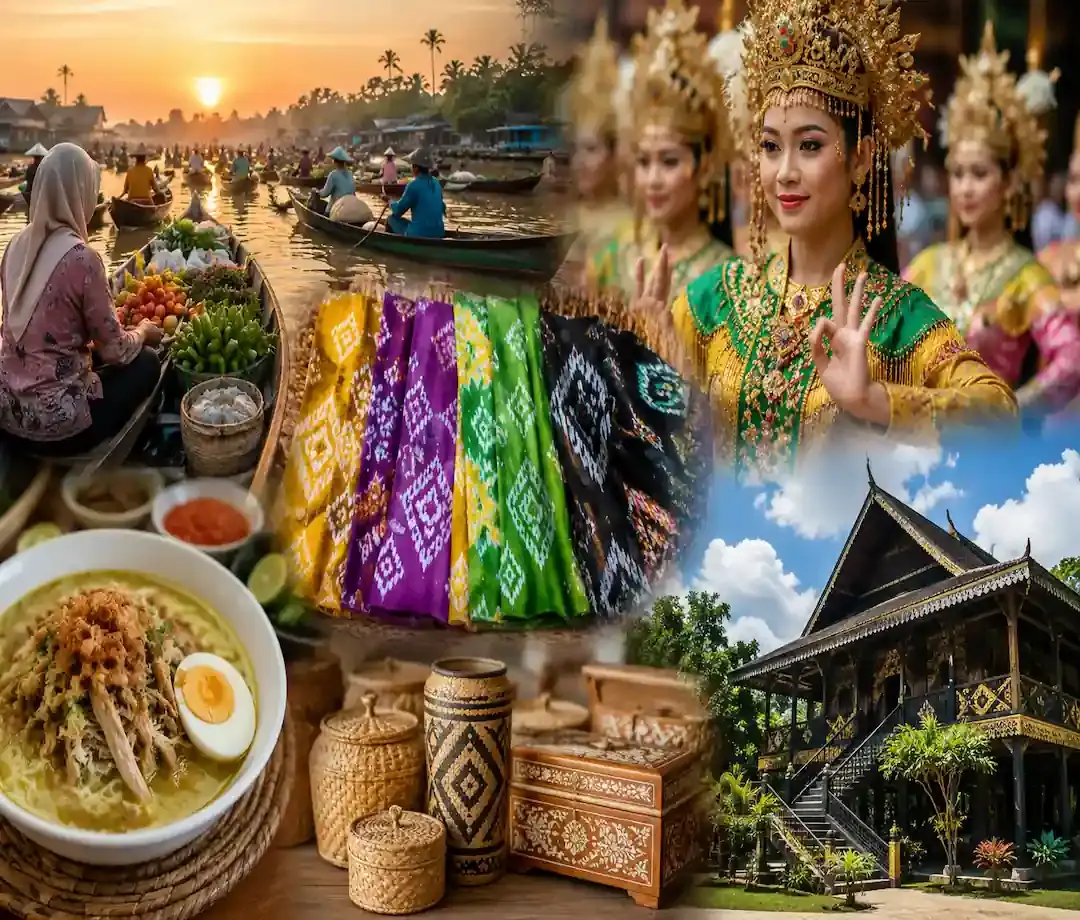
Banjar culture represents a unique blend of indigenous Kalimantan influences, Malay traditions, and centuries of interaction with various civilizations that once visited the region. The result is a distinctive cultural identity unlike any other in Indonesia.
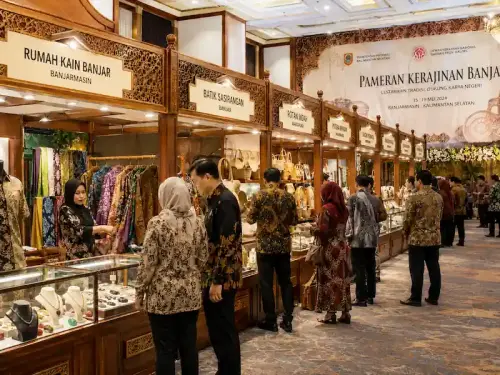
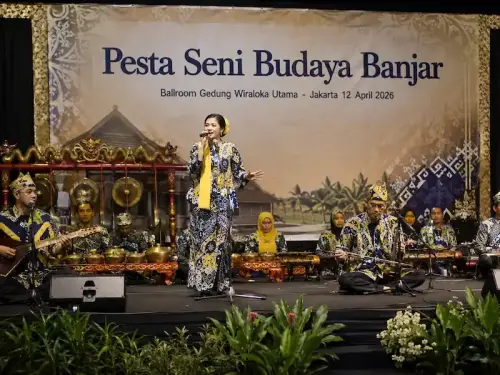
One of the most recognized cultural treasures is Sasirangan fabric. This traditional textile features patterns and philosophies passed down through generations. Originally used in traditional ceremonies, Sasirangan has evolved into a modern fashion product worn on various occasions.
In addition to Sasirangan, the Banjar people preserve a variety of traditional arts, including Madihin, a unique form of oral storytelling that combines humor, social commentary, and life lessons. Numerous traditional customs are also maintained within the community, including religious and cultural celebrations that strengthen local identity.
The Banjar language is another important part of this cultural heritage. As both a means of communication and a symbol of identity, it continues to be spoken in daily life and remains a source of pride for the people of South Kalimantan.
Cultural preservation is important not only for local communities but also as a valuable asset that enriches the world's cultural diversity. For this reason, Banjar culture deserves to be introduced to international audiences as an integral part of Indonesia's cultural heritage.
Banjar Cuisine: Traditional Flavors with a Distinct Identity
Cuisine is one of the best ways to understand a culture. Through food, people can gain insight into the history, environment, and traditions of the community that created it.
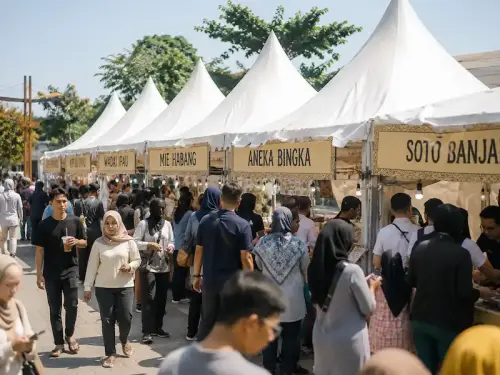
South Kalimantan offers a diverse range of culinary specialties that have become an important part of Banjar identity for generations. One of the most famous is Soto Banjar, a clear soup infused with aromatic spices that create a flavor and fragrance distinct from other Indonesian soto dishes.
Another popular dish is Ketupat Kandangan, known for its rich coconut milk broth and distinctive haruan fish preparation. The Banjar people also produce a wide variety of traditional cakes and desserts that remain popular today, including Bingka, Amparan Tatak, Putri Selat, Apam Barabai, and many others.
The uniqueness of Banjar cuisine lies not only in its flavors but also in the cultural stories behind each dish. Many traditional foods originated within royal courts, family traditions, and community activities that have been passed down through generations.
In today's globalized world, traditional cuisine has tremendous potential to reach international audiences. As interest in authentic foods from different cultures continues to grow, Banjar cuisine has the opportunity to become part of the global culinary landscape.
Banjar Tourism: Natural Beauty and Living Traditions Found Nowhere Else
South Kalimantan offers a variety of tourist destinations that combine natural beauty, cultural richness, and unique local lifestyles.
One of the region's most iconic attractions is the Floating Market, a river-based trading tradition that has existed for hundreds of years. The buying and selling activities conducted from traditional boats create a fascinating experience that attracts visitors from across Indonesia and around the world.
Beyond river tourism, South Kalimantan is home to diverse natural attractions, including mountains, lakes, waterfalls, and conservation areas that showcase the unique biodiversity of Kalimantan.
Religious tourism also plays an important role in the region. Historical sites and places of worship with significant cultural value continue to attract both local visitors and travelers from outside the region.
Banjar tourism offers more than beautiful scenery; it provides authentic cultural experiences. Visitors can witness firsthand the lifestyle of river communities, local traditions, and cultural practices that continue to thrive today.
Banjar Local Products and Their Potential in the Global Market
Beyond culture and tourism, South Kalimantan is also home to a wide range of local products that reflect the creativity and capabilities of its people.
Sasirangan fabric is one of the region's most prominent products and is widely recognized as a symbol of local identity. In addition, there are various handicrafts, processed food products, fisheries products, and MSME products that continue to grow and demonstrate the quality needed to compete in broader markets.
The development of digital technology has created new opportunities for local entrepreneurs to reach consumers beyond their region and even across international borders. However, many high-quality products still require greater exposure to access larger markets.
By promoting local products through digital media, opportunities for collaboration, investment, trade, and business development can continue to expand for the people of South Kalimantan.
Why Should Banjar Be Introduced to the World?
In an era of globalization, regions that successfully introduce their identity to the world have greater opportunities to grow and prosper. Well-known cultures are easier to preserve. Popular tourism destinations attract more visitors. Recognized products gain access to larger markets.
The Banjar people possess cultural heritage, culinary richness, tourist destinations, and local products that are every bit as compelling as those found elsewhere around the world. However, this potential requires platforms that can introduce it to international audiences more effectively.
That is why Banjar Media remains committed to showcasing Banjar stories, culture, cuisine, tourism, and local products on a global stage. Our mission is not only to introduce South Kalimantan to the world but also to help create new opportunities for local communities, entrepreneurs, artists, and future generations of Banjar people.
Banjar Goes Global is more than just a slogan. It is a vision that the cultural wealth and achievements of the Banjar people can be recognized, appreciated, and become part of the global conversation while preserving their identity as a valuable heritage of South Kalimantan.