
A Royal Heritage Cake That Remains Sweet Across Generations
From the Royal Palace Kitchen to the Iftar Table
Among the many traditional culinary specialties of South Kalimantan, Bingka holds a special place. This iconic cake of the Banjar people is more than just a dessert or a companion to a cup of tea; it is part of a cultural heritage that has endured for centuries. To this day, Bingka remains one of the most sought-after traditional cakes, especially during the month of Ramadan when Banjar communities search for various types of wadai to break their fast.
Bingka is one of the 41 traditional Banjar wadai commonly served at important occasions such as weddings, thanksgiving ceremonies, communal celebrations, and religious holidays. Its presence is considered almost essential because it symbolizes prosperity, respect for guests, and pride in local culinary traditions that have been preserved from generation to generation.
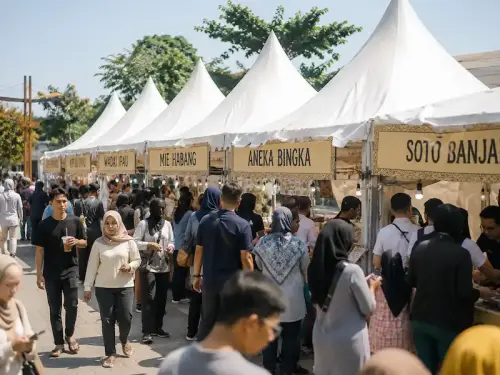
In the traditional markets of South Kalimantan, particularly in the hours leading up to iftar, Bingka is one of the fastest-selling cakes. The fragrant aroma of coconut milk, its soft texture, and its balanced sweetness make it popular among people of all ages, from children to the elderly.
The Legend of Putri Junjung Buih and the Origins of Bingka
The Banjar people have a folk tale that links Bingka to the legendary figure of Putri Junjung Buih, the princess of the Kingdom of Negara Dipa or Negara Daha. In stories passed down through generations, Putri Junjung Buih is recognized as an important figure in Banjar history and mythology.
According to legend, the original Bingka recipe was created under the command or inspiration of the princess. At that time, the cake was served exclusively within the royal palace and enjoyed by members of the nobility. Its relatively luxurious ingredients made Bingka a symbol of social status as well as the prosperity of the kingdom.
As time passed, the recipe spread to the wider community. Royal cooks who later lived outside the palace introduced the techniques of making Bingka to the public. From there, Bingka gradually transformed from an exclusive delicacy of the aristocracy into a traditional cake that could be enjoyed by everyone.
The Secret Behind Bingka’s Delicious Taste
The appeal of Bingka lies in the simplicity of its ingredients combined with careful preparation techniques. Traditionally, Bingka is made from wheat flour, coconut milk, duck eggs, potatoes, sugar, and a small amount of salt.
Coconut milk provides its distinctive savory richness, while duck eggs create a denser and richer texture compared to ordinary eggs. The potatoes used in the batter make the cake soft and slightly creamy when eaten.
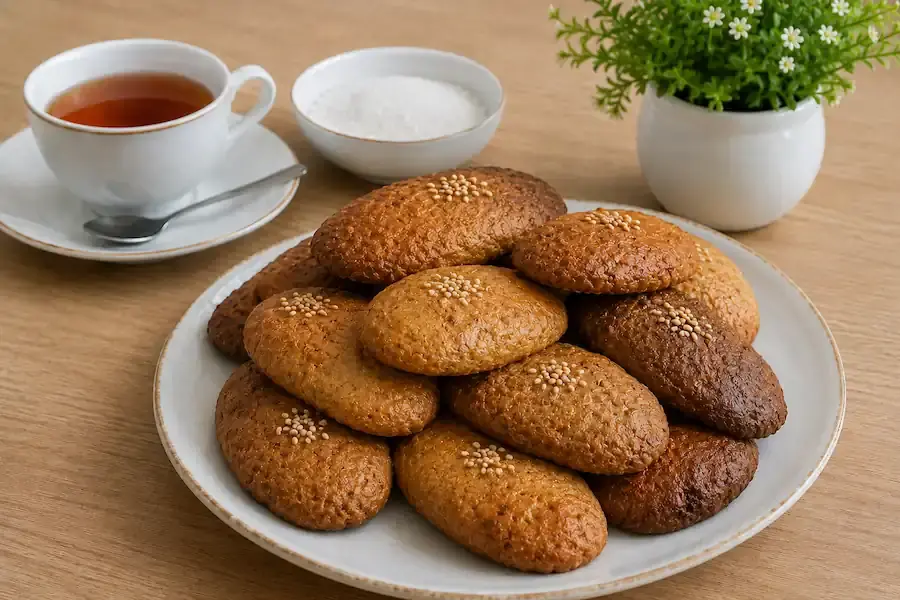
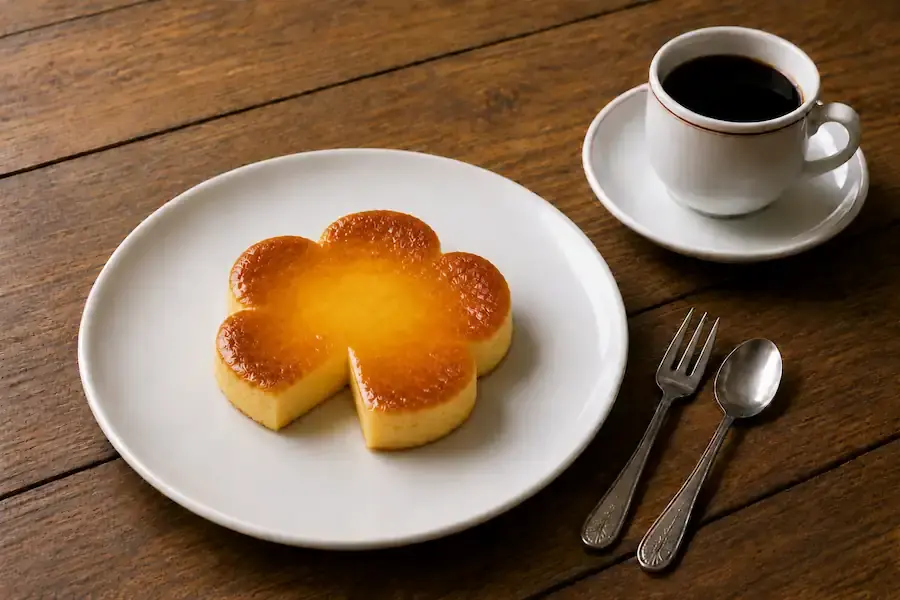
When baked, the surface of Bingka turns golden brown and releases an inviting aroma. Its flower-like shape, often featuring several petals, is another distinctive characteristic that makes it easily recognizable.
In addition to the popular potato Bingka, there are also several other varieties such as Bingka Tapai, pandan Bingka, pumpkin Bingka, and egg Bingka. Although these versions use different additional ingredients, they all retain Bingka’s signature qualities: soft, sweet, savory, and rich in flavor.
Many people admit that it is difficult to stop after tasting just one slice. The balanced combination of sweetness and savory richness makes the cake feel light despite being quite filling.
Bingka and the Tradition of the 41 Banjar Wadai
In Banjar culture, Bingka does not stand alone. It is part of a larger tradition known as the 41 varieties of Banjar wadai. This tradition has existed for a long time and has historical roots connected to the influence of Hindu culture that once flourished in South Kalimantan.
In the past, presenting a specific number of different cakes was believed to be a form of respect for ancestors or spirits. People believed that such offerings helped maintain harmony between the human world and the spiritual realm. As time passed and Islam spread throughout the region, the spiritual meaning evolved. However, the tradition of serving various wadai remained an important part of Banjar cultural identity.
Today, the tradition of the 41 wadai is viewed primarily as a symbol of the region’s rich culinary heritage, a tribute to ancestral traditions, and a means of strengthening social bonds during cultural and religious gatherings.
A Ramadan Favorite That Never Loses Its Charm
The month of Ramadan is a golden season for Bingka makers. Demand usually increases significantly because many people choose Bingka as one of their preferred foods for breaking the fast. Its soft texture and sweet flavor make it an ideal treat after a long day without food and drink.
Throughout Banjar culinary centers, the price of Bingka generally ranges from IDR 25,000 to IDR 60,000 per tray or large portion, depending on the size, ingredients, and flavor variations used. Despite the emergence of many modern cakes and desserts, Bingka continues to hold a special place in the hearts of the people.
More than just a food item, Bingka tells a story of royal history, community traditions, and the rich cultural heritage of the Banjar people that continues to thrive today. Every slice offers not only a delightful combination of sweet and savory flavors but also carries the traces of a long cultural journey connecting the past with the present. Amid changing times, Bingka remains a symbol of warmth, togetherness, and the Banjar people's pride in their culinary heritage.