A Harmony of Traditions, Arts, and Life Values from South Kalimantan
A Cultural Identity That Continues to Thrive Amid Changing Times
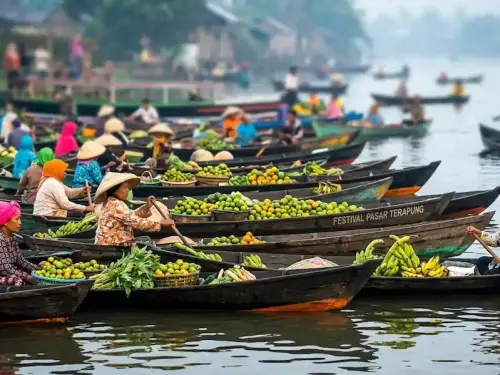
Amid the rapid currents of globalization and modernization, the Banjar people of South Kalimantan continue to preserve their cultural identity with remarkable strength. Banjarese culture is not merely a legacy of the past preserved in history books or museums; it is a living way of life that continues to grow and evolve through the daily activities of the community.
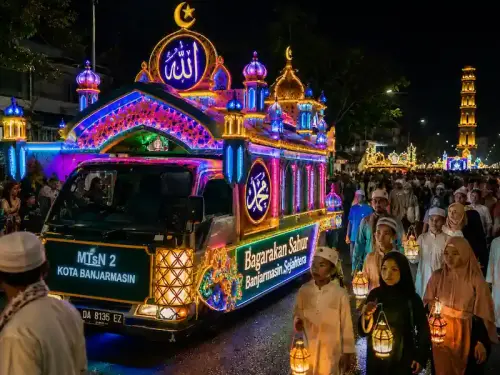
The uniqueness of Banjarese culture lies in its ability to blend local traditions with Islamic values that have been deeply rooted for centuries. This fusion is reflected in the language, performing arts, customs, handicrafts, and social values that shape the character of the Banjar people.
Banjarese culture is one of Indonesia’s cultural treasures, distinguished by characteristics that set it apart from other regional cultures. Beneath the image of a society known for its religiosity and hospitality lies a rich collection of traditions that demonstrate creativity, social intelligence, and a remarkable ability to adapt to changing times.
The Banjar Language: The Soul and Identity of the People
One of the most important elements of Banjarese culture is the Banjar language. It serves as the primary identity of the Banjar people and is widely used in everyday life, whether within families, communities, or during traditional ceremonies and cultural activities.
The Banjar language has strong roots in the Malay language family, yet it has developed its own distinctive pronunciation, vocabulary, and expressions that differentiate it from other Malay languages. This linguistic richness reflects the long history and cultural interactions experienced by the Banjar people.
In social life, the Banjar language is more than just a means of communication. It serves as a symbol of identity, pride, and social cohesion among community members. Even in traditional ceremonies, religious activities, and cultural performances, the Banjar language remains the primary medium for conveying messages and cultural values.
The continued use of the Banjar language today demonstrates the strong commitment of the Banjar people to preserving their ancestral heritage amid the dominance of modern languages and the influence of global culture.
The Richness of Traditional Banjar Dance
When discussing performing arts, the Banjar people possess a remarkably rich repertoire of traditional dances. Historical records indicate that approximately 76 types of traditional dances have developed within Banjar society.
These dances are generally divided into two major categories: court dances, which originated within royal palaces, and folk dances that emerged among local communities. Each category carries its own functions, philosophies, and distinctive characteristics.
One of the most famous is the Baksa Kambang Dance. This dance symbolizes grace, hospitality, and respect for guests. Its elegant movements, combined with beautiful costumes, have made it one of the most iconic expressions of Banjarese culture.
Another well-known performance is the Baksa Lilin Dance, famous for its use of candles as part of the choreography. There are also the Kula Gepang Dance and the Maiwak Dance, both of which reflect community life and local cultural values.
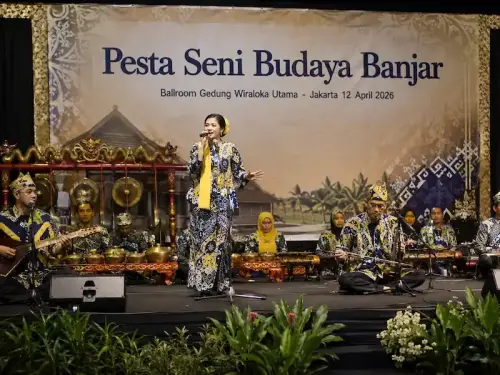
The beauty of Banjar dance cannot be separated from the traditional music that brings its performances to life. Various musical instruments such as the babun, gambang, aron, salantang, kedernong, gong, suling (bamboo flute), and rebab combine to create a distinctive and captivating harmony.
Mamanda and Madihin: Reflections of Banjarese Society
In addition to dance, the Banjar people possess unique and meaningful forms of traditional theater. One of the most well-known is Mamanda.
Mamanda is a traditional theatrical art form that tells a wide range of stories, from royal tales, heroism, and the struggles of ordinary people to social and political criticism. Mamanda performances serve not only as entertainment but also as a means of public education.
Through engaging and often humorous dialogue, Mamanda performers convey moral lessons, social commentary, and life values relevant to the community.
Alongside Mamanda, there is also the art of Madihin, which is a source of pride for the Banjar people. Madihin is typically performed by one or two artists who spontaneously recite poems, rhymes, and stories accompanied by the distinctive Banjar drum.
The ability of a Madihin performer to weave together words, humor, and social criticism often entertains audiences while encouraging reflection. Madihin is frequently used as a medium for expressing public aspirations and communicating messages related to community development.
Other traditional performing arts, such as Japen, Balamut, and Hadrah, further enrich the diversity of Banjarese cultural performances.
Panting Music: The Distinctive Sound of Banjar Land
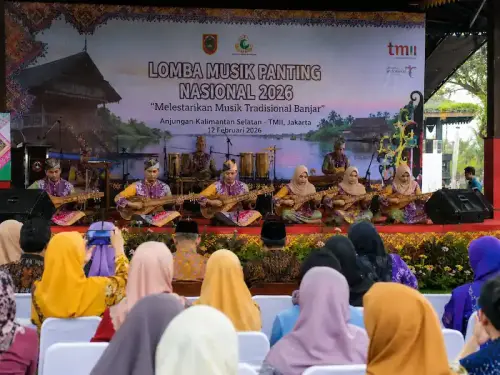
Traditional Banjar music possesses a strong cultural identity through Panting Music. The name originates from the main instrument used in the ensemble, known as the Panting.
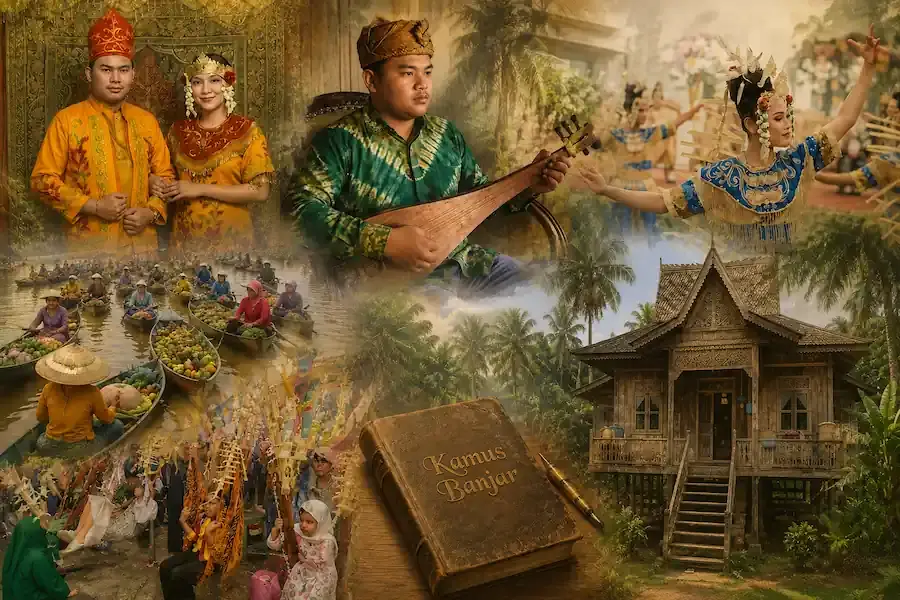
The Panting is a plucked string instrument resembling a gambus or a small guitar. Despite its relatively simple size and construction, it produces a unique and easily recognizable sound.
In a Panting Music performance, the instrument is usually accompanied by the babun, violin, gong, and various supporting instruments. Together, they create melodies that are gentle, dynamic, and rich in Malay-Banjar influences.
Panting Music is often performed during traditional dances, customary ceremonies, cultural events, and folk performances. Its presence symbolizes the creativity of the Banjar people in developing a unique and distinctive musical tradition.
Customs and Traditions Rich in Meaning
The lives of the Banjar people are closely connected to customs and traditions that have been passed down through generations. These traditions are not merely ceremonial practices but also reflections of the Banjar philosophy of life.
One of the most well-known traditions is Maarak Penganten, a wedding procession celebrated with great festivity and cultural symbolism. During this tradition, the bride and groom are paraded through the community as a form of honor and public announcement of their union.
Before the wedding takes place, several customary stages are observed, including Badatang, the formal proposal process. During this stage, both families discuss important matters such as the jujuran (bridal gift or dowry) and the wedding date.
The traditions of Bamandi-mandi and Badudus also form important parts of a traditional Banjar wedding. Both rituals symbolize purification and preparation for entering a new stage of life.
Another tradition is Maayun Anak, performed as a prayer and expression of hope for the safety and future well-being of children. There is also Batasmiah, a naming ceremony for children that continues to be practiced by many Banjar families today.
The Values of Mutual Cooperation and Islamic Life
One of the greatest strengths of Banjarese culture lies in its well-preserved social values. Mutual cooperation, or gotong royong, remains an essential part of community life.
Whether in social activities, public infrastructure projects, family events, or religious gatherings, the Banjar people are known for their strong sense of solidarity and togetherness. This tradition of helping one another fosters close and harmonious social relationships.
In addition, Banjarese culture is deeply influenced by Islamic values. This influence can be seen in customs, social etiquette, cultural arts, and everyday life.
Religious values serve as the foundation that shapes the character of the Banjar people, encouraging politeness, respect for elders, a commitment to consultation and consensus, and the maintenance of harmonious relationships with others.
Woodcarving Art and Traditional Architecture
Banjarese culture is also reflected in its woodcarving art and traditional architecture, which have developed over centuries. Intricate carvings decorate traditional houses, household items, and even modes of transportation.
Banjar carving motifs reveal a blend of local, Malay, and Islamic influences. Floral patterns, geometric designs, and calligraphy are commonly used as decorative elements with significant aesthetic value.
The beauty of these carvings demonstrates the Banjar people's ability to transform local materials into works of artistic and cultural significance.
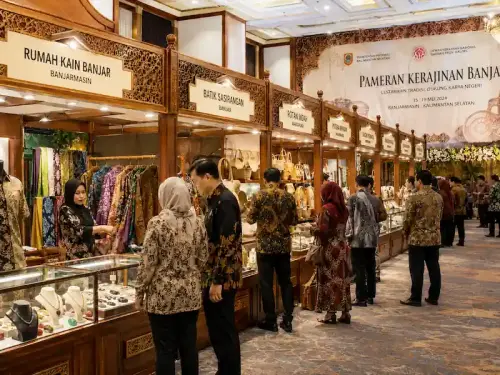
Sasirangan and Traditional Banjar Handicrafts
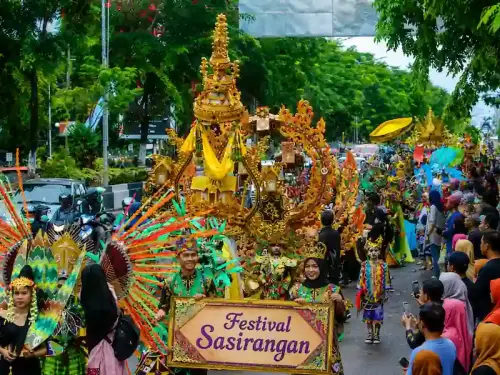
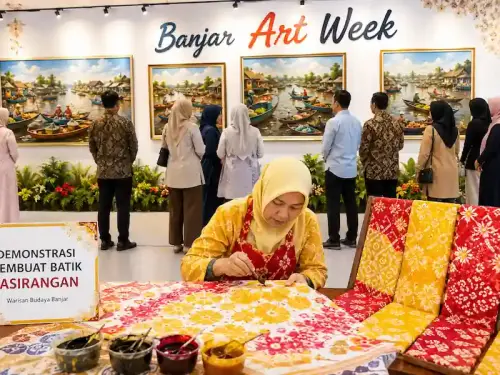
When discussing Banjar handicrafts, Sasirangan cannot be overlooked. Sasirangan fabric is one of the most famous cultural legacies of South Kalimantan.
The uniqueness of Sasirangan lies in its distinctive dyeing techniques and patterns. Each motif carries symbolic meanings connected to the lives and beliefs of the Banjar people.
In addition to Sasirangan, there is also Air Guci embroidery, which showcases the remarkable craftsmanship of Banjar artisans. Various accessories, jewelry, and household products made from Kalimantan’s precious gemstones also form part of the region’s rich handicraft heritage.
These products hold not only economic value but also represent the cultural identity of the Banjar people, recognized throughout Indonesia.
Traditional Games and Indigenous Knowledge
Banjarese culture also includes a variety of traditional games that have been passed down from generation to generation. These games serve not only as entertainment but also as educational tools that teach children cooperation, sportsmanship, and creativity.
In addition, the Banjar people have inherited extensive traditional knowledge regarding the use of plants from the interior regions of Kalimantan. Traditional herbal remedies made from natural ingredients, including pasak bumi (Tongkat Ali), reflect the community’s local wisdom in utilizing natural resources sustainably.
A Cultural Heritage Preserved Through Generations
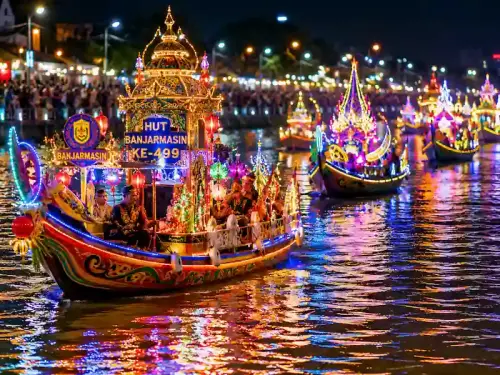
Banjarese culture is a harmonious blend of art, customs, language, social values, and spirituality that has evolved over centuries. From the Banjar language that serves as the community’s identity, to captivating dances and music, meaningful traditions, and highly valued handicrafts, every aspect reflects an extraordinary cultural wealth.
Amid the rapid development of the modern world, the Banjar people continue to preserve and promote this heritage. Through education, cultural activities, artistic communities, and younger generations who increasingly value their cultural roots, the Banjar identity remains vibrant and enduring.
Banjarese culture is not only a source of pride for South Kalimantan but also an important part of Indonesia’s cultural mosaic, enriching the nation’s civilization and deserving recognition on the global stage.


From Banjar to the world, showcasing information, culture, tourism, local businesses, and products with global potential.